Taking your baby on a plane for the first time sparks pure excitement, yet it often comes with a dash of worry. Those abrupt pressure changes during takeoff and landing can cause tiny ears to ache, triggering heartbreaking cries that echo through the cabin. Fortunately, you can master how to protect baby ears during flight using simple, proven strategies that keep both you and your little one smiling throughout the journey. Parents worldwide rave about these techniques, from on-demand nursing to smart gear selections that make all the difference, you know.
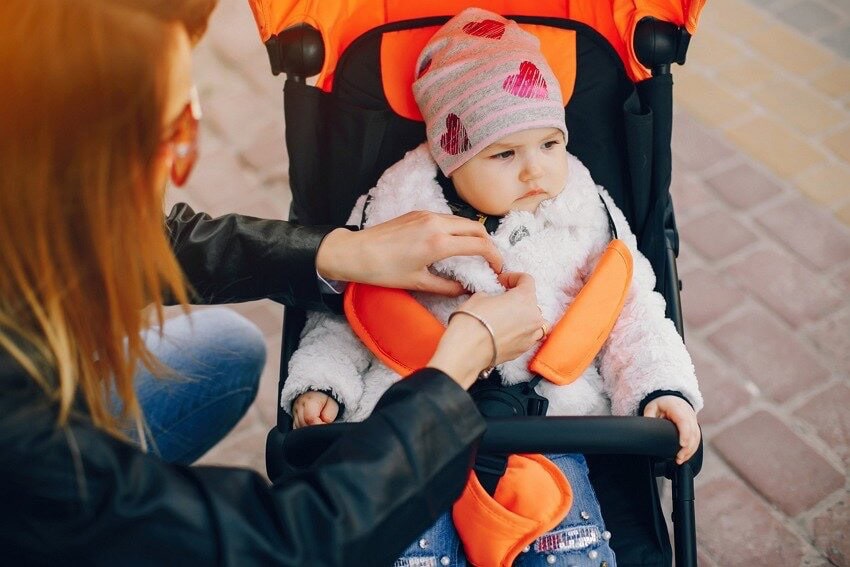
Moreover, right from the planning stage, consider comfort essentials like a bassinet stroller for lounging at the gate or quick hotel naps. This versatile piece acts as a portable crib, freeing you to focus on ear protection without added stress. In this comprehensive guide, we’ll explore effective methods for how to protect baby ears during flight, backed by real stories from moms and endorsements from pediatric experts. Whether you’re tackling a red-eye flight or a cross-country hop, these tips transform potentially fussy trips into peaceful adventures filled with sweet slumbers, anyway, let’s get into it.
AD | We have been or could be if you click on a link in this post compensated via a cash payment, gift or something else of value for writing this post. As an Amazon Associate and Stay 22 we earn from qualifying purchases. See our full disclosure policy and privacy policy for more details.
Understanding Why Cabin Pressure Affects Infant Ears
Airplanes ascend rapidly, causing cabin pressure to drop sharply, and the same happens during descent. While adults can easily yawn or swallow to equalize the pressure in our ears, babies don’t have that voluntary control. Their Eustachian tubes, the slender passages connecting the throat to the middle ear, remain narrow and more horizontal until around age two, making it hard for trapped air to escape. As a result, pressure builds up inside, leading to intense discomfort that feels like a pinched nerve, poor little things.
For instance, imagine your baby drifting off peacefully at cruising altitude, only for the descent to bring that familiar whooshing sound from outside. Aviation medicine studies reveal that infants under six months suffer the most, as their tubes open minimally under stress. One Seattle mom shared how her four-month-old wailed through an entire two-hour landing until she discovered the feeding solution, highlighting why understanding this science is crucial for how to protect baby ears during flight. Therefore, arming yourself with knowledge helps you stay one step ahead, no doubt.
Additionally, key pressure peaks occur around 10,000 feet during both ascent and descent. Babies’ noses congest more easily too, further blocking those tubes. Dehydration from the dry cabin air exacerbates the issue by thickening mucus, so packing wet wipes for gentle nose clearing and sippy cups for hydration becomes essential. For even better results, book seats near the wing to minimize turbulence, which can worsen the ordeal. By grasping these dynamics early, you’ll approach every flight with confidence.
Using Feeding and Swallowing to Relieve Ear Pressure
Nothing rivals nature’s own solution: feeding your baby during critical takeoff and landing phases. Whether nursing or using a bottle, the sucking and swallowing action forcefully opens the Eustachian tubes, allowing pressure to equalize smoothly, like a gentle vacuum drawing air through. Begin feeding about five to ten minutes before takeoff begins, and repeat the process during descent for optimal relief, works every time.
If bottle-feeding, warm the milk slightly to improve flow and soothe any tummy upset along the way. One dad vividly recalled nursing his twins through a turbulent Denver-to-LAX flight, turning what could have been a meltdown into contented, milky naps. For babies starting solids, offer yogurt pouches or soft puffs to encourage frequent swallows. Each gulp helps pop those ears effectively, you see.
To make this strategy foolproof:
- Time feeds precisely for the ascent climb and descent drop.
- Use breast milk or formula; both deliver the same magical effect.
- Offer a feed even if your baby seems full, pressure discomfort overrides hunger signals.
- Follow up with gentle burping midway through.
Pat their backs softly while pacing the aisle if permitted, as this combination not only drains built-up fluid but also resets tiny ears quickly. Consequently, this approach stands as one of the simplest yet most reliable ways to protect baby ears during flight.
The Role of Pacifiers in Equalizing Air Pressure
Pacifiers emerge as a hands-free superstar for how to protect baby ears during flight. Babies naturally suck on them, triggering instinctive swallows without the need for milk or mess. Simply insert one at the first rumble of takeoff and maintain it through the descent’s roar. Pediatric ear specialists often endorse silicone-tipped pacifiers with orthodontic shapes that sit comfortably without straining the jaw.
However, not every pacifier works equally well, so choose models with clips to keep them handy and secure. A Chicago-based flight attendant shared how her niece sailed coast-to-coast with a pacifier in place, her ears popping silently amid the chaos. Once the plane stabilizes, remove it to prevent over-reliance, anyway.
For extra-fussy moments, dip the pacifier in breast milk for a familiar, soothing taste. Similarly, consider chilled teethers that prompt sucking while calming gums. Pacifiers prove invaluable when your hands are tied up with bags or other essentials, buying you precious moments of calm.
Strategic Timing for Waking Your Baby Before Descent
It’s tempting to let your baby sleep through takeoff, but strategically waking them before descent is key to protecting baby ears during flight. Cabin announcements typically signal descent about 20 minutes out, so gently rouse your little one with cuddles, a soft toy rattle, or familiar voices. Sleepy babies keep their Eustachian tubes closed tight, trapping pressure and intensifying pain.
Aim to wake at the 10,000-foot announcement if the crew mentions it, then immediately offer a pacifier or feed. Pro parents suggest setting a soft phone alarm under a blanket as a backup. To ease resistance from tired tots, turn waking into playtime with peekaboo or gentle songs, makes it fun.
Practice this at home during car rides with windows down to simulate the whooshing noise, training their response without real-flight stress. Mid-flight naps refresh them perfectly for the descent challenge. Thus, smart timing ensures everyone lands happy.
Safe Earplugs and Earmuffs Designed for Tiny Travelers
When natural methods need a boost, specialized gear steps in seamlessly. Baby earmuffs, such as aviation-grade options from Banz or Baby Banz, block damaging noise spikes while allowing pressure to vent through breathable designs. Featuring soft padding and adjustable straps, they reduce decibels without creating an airtight seal, real lifesaver sometimes.
Foam earplugs sized for infants over six months offer another layer, insert them shallowly and never force. Test the fit beforehand in noisy environments like parks. A traveling grandma praised how earmuffs rescued her grandson’s ears on a grueling transatlantic flight.
Key selection tips include:
- Models with volume limiters under 30dB for safety.
- Breathable fabrics to prevent sweat buildup.
- Pairing with pacifiers for dual protection.
- Clean them thoroughly after each use to fend off cabin germs.
Managing Flights When Your Baby Has a Cold or Ear Infection
Sick babies encounter amplified challenges, as congestion clogs Eustachian tubes and heightens pain. If a high fever or doctor’s advice suggests otherwise, postpone the flight entirely. For mild colds, however, prepare with saline nasal drops and a bulb syringe before takeoff to clear passages, gotta do that first.
Resist antihistamines for babies under six months unless cleared by a doctor. Instead, prioritize hydration using electrolyte pouches. One resourceful mom managed her sniffly newborn’s flight by spritzing humidifier mist from a portable bottle, which moistened the air and loosened mucus effectively.
Monitor for ear-tugging or persistent fussiness, and request an early landing if feasible. Follow up with a pediatrician post-flight. Ultimately, prevention through these steps trumps reactive cures every time.
Natural Comfort Measures to Calm a Fussy Baby During Ascent
Ascent phases rattle nerves too, so layer in natural comforts. Rock your baby gently in your lap while humming low lullabies to distract from pressure pops. White noise apps replicating engine hums work wonders, masking discomfort.
Encourage jaw movement with teething rings or cool spoons for gum relief. Soft temple massages in circular motions add extra soothe. Baby carriers free your arms for these touches, dads especially appreciate the mobility, yeah.
Other quick wins:
- Hum familiar tunes for instant bonding.
- Walk the aisles once turbulence subsides.
- Apply warm cloths to cheeks for cozy warmth.
Your calm demeanor matters most; babies pick up on stress. These measures maintain light vibes amid the climb.
When to Consult a Pediatrician About Travel and Ear Health
If ear pain persists beyond the flight, consult your pediatrician immediately. Frequent flyers, particularly those with infection histories, benefit from baseline ear checks. Discuss options like ear tubes for recurrent issues, and ensure vaccinations like flu shots are up-to-date to slash cold risks.
Schedule pre-trip visits to share flight itineraries for personalized advice. One family doctor crafted custom schedules for multi-leg journeys, proving pros offer insights guesses can’t match. Prioritizing expert input safeguards your baby’s health, always better safe.
Conclusion
Mastering how to protect baby ears during flight unlocks endless family adventures across the skies. From strategic feeds and pacifiers to earmuffs, precise timing, and natural soothes, these seven proven tips deliver reliable results. Pack thoughtfully, remain vigilant, and watch your baby soar pain-free. Safe travels ahead!