

Spain dominates UK flight bookings in 2026, with demand surging over 30% year-on-year. New routes from Wizz Air, Jet2 and Ryanair connect more regional UK airports to Spanish cities than ever before. But Spain only scratches the surface of what the Spanish-speaking world offers.
From the cobbled streets of Cartagena to the highlands of Peru, Latin America beckons adventurous UK families and solo travellers alike. The catch? English alone won’t cut it. Step outside major tourist zones and you’ll quickly hit a language wall.
AD | We have been or could be if you click on a link in this post compensated via a cash payment, gift or something else of value for writing this post. As an Amazon Associate and Stay 22 we earn from qualifying purchases. See our full disclosure policy and privacy policy for more details.
This article maps out the best Spanish-speaking destinations for UK travellers and shows you how to learn Spanish in the UK before departure. A little preparation goes a long way toward a richer, more confident trip.
Why Should UK Travellers Learn Spanish Before Their Trip?
Spanish connects over 20 countries and ranks as the world’s second most-spoken native language. Knowing even a handful of phrases transforms a standard holiday into something genuinely memorable. You stop being a tourist and start becoming a traveller.
In rural Andalucía, across Extremadura, throughout Castilla-La Mancha, English barely registers. The same applies to most of Latin America outside luxury resorts. If you want to order properly in a tapas bar, haggle at a Sunday market or navigate a regional bus system, Spanish is your ticket in.
Speaking the local language unlocks authentic experiences that guidebooks can’t replicate. Chatting with a fisherman in Cádiz, asking a street vendor in Oaxaca about their mole recipe, getting directions from an elderly couple in Cusco: these moments define a trip. The decision to learn Spanish in the UK before departure saves precious holiday time and dramatically reduces culture shock on arrival.
More UK families now treat linguistic preparation as part of their travel planning. Parents book lessons alongside flights, treating language skills as essential as travel insurance. It’s a smart shift, and the payoff starts from the moment you land.
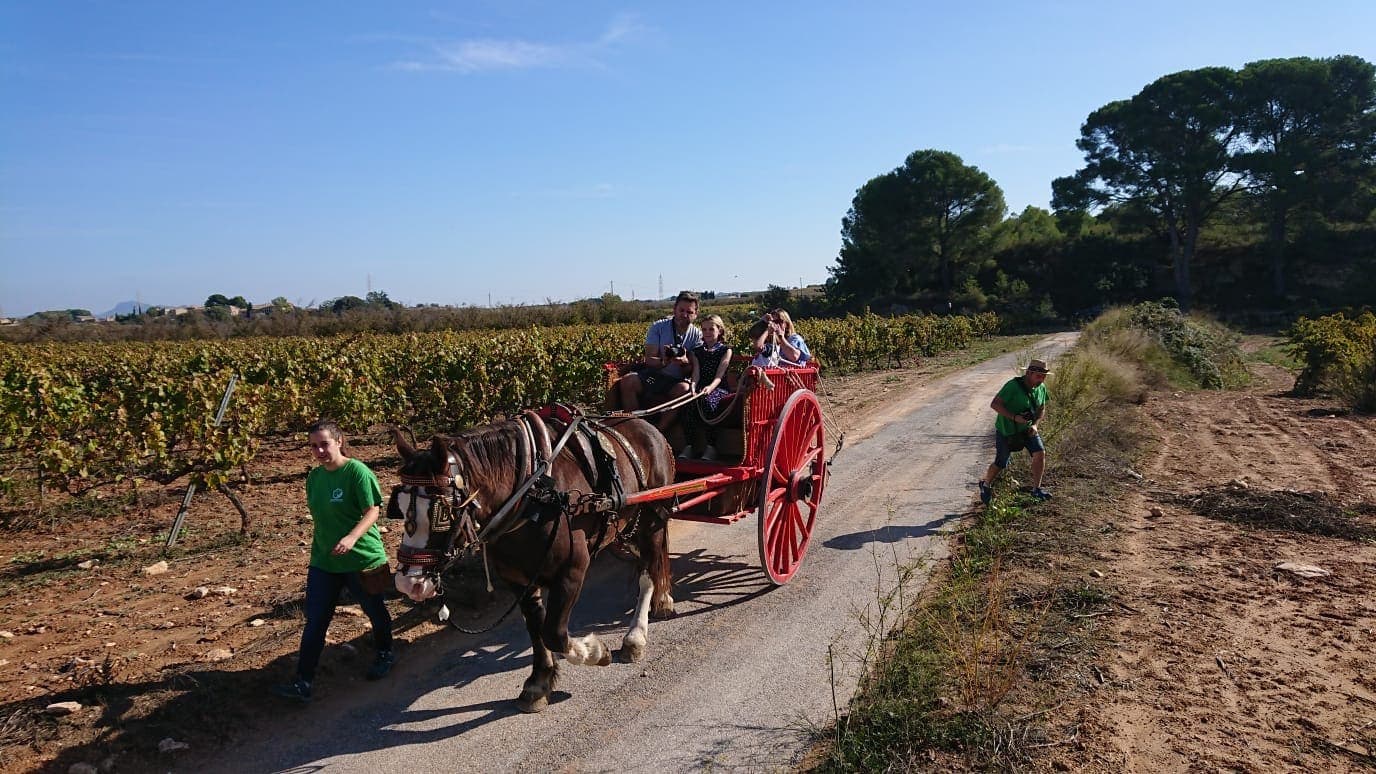
The Best Spanish-Speaking Destinations in Spain for UK Travellers in 2026
Spain smashes records again in 2026. Coastal holidays, city breaks and rural retreats all see surging demand from UK visitors. But the smartest travellers look beyond the typical tourist trail.
Barcelona and the Costa Brava: Culture Meets Coastline
Barcelona delivers world-class architecture, gastronomy and nightlife packed into one walkable city. One wrinkle: Catalan runs alongside Castilian Spanish here, so you’ll encounter bilingual signage and conversations. Your Spanish still works perfectly, but don’t be surprised by the occasional Catalan greeting.
The Costa Brava offers a quieter counterpoint. Towns like Cadaqués and Sitges reward visitors who can chat with locals in Spanish, whether you’re picking up fresh bread or asking about hidden swimming coves. Direct flights from multiple UK airports (including new 2026 Jet2 routes from Birmingham and Edinburgh) make access easier than ever.
Andalucía: Seville, Málaga, Granada and Beyond
Andalucía pulses with traditional Spanish culture. Flamenco, tapas, Moorish palaces, orange-scented plazas: this region delivers everything you picture when you think “Spain.” Seville and Granada especially reward Spanish speakers who wander beyond the cathedral queues and into neighbourhood bars.
Málaga and the Costa del Sol attract millions yearly, but the real magic lies inland. Drive thirty minutes to Ronda and the English-language safety net vanishes. Order your café con leche in Spanish, ask about the best mirador, and suddenly you’re having the trip your resort-bound neighbours only dream about.
Valencia, the Canary Islands and Hidden Gems
Valencia attracts growing numbers of UK remote workers and budget-conscious travellers. It’s affordable, culturally rich and far less English-friendly than Barcelona. Your Spanish skills matter here daily, from the Mercado Central to the neighbourhood bodega.
The Canary Islands (Tenerife, Gran Canaria) remain classic UK holiday spots. Venture beyond resort complexes, though, and conversational Spanish becomes your best friend. Northern Spain deserves special attention in 2026. The Basque Country and Navarra rank among the world’s most welcoming regions, yet very few locals speak English. For confident Spanish speakers, these areas deliver extraordinary food, landscapes and warmth.

Top Spanish-Speaking Destinations in Latin America for Adventurous UK Travellers
Latin America offers UK travellers unforgettable experiences, but demands stronger Spanish skills than Spain. Regional accents vary wildly too. Chilean Spanish sounds nothing like Colombian, and Argentine slang could leave a textbook learner baffled.
Mexico and Colombia: Beginner-Friendly Latin American Destinations
Good news for newer learners: Mexican and Colombian Spanish rank among the clearest, most neutral accents in the Spanish-speaking world. Locals tend to speak at a measured pace, which gives your brain time to process.
- Mexico City delivers world-class museums, street food and architecture
- Oaxaca offers indigenous culture, mezcal traditions and vibrant markets
- Cartagena combines Caribbean colour with colonial history
- Medellín has reinvented itself as a cultural and culinary hotspot
Tourism infrastructure grows rapidly across both countries. But step outside major cities and Spanish becomes essential for everything from catching colectivos to finding the best tacos.
Argentina, Peru and Cuba: For More Confident Speakers
Argentine Spanish (Rioplatense) throws curveballs. The “ll” sounds like “sh,” and locals use “vos” instead of “tú.” Buenos Aires rewards those who embrace these quirks with incredible steak, tango and literary culture.
Peru pairs Machu Picchu with Lima’s booming gastronomy scene. Cusco’s markets and Sacred Valley villages open up beautifully when you speak Spanish. And then there’s Cuba, perhaps the most immersive Spanish-speaking destination on Earth. English is genuinely rare across the island. You’ll negotiate casa particular stays, decode ration-book slang and navigate Havana’s crumbling streets entirely in Spanish. Thrilling, but not for the linguistically unprepared.
How to Learn Spanish in the UK: The Best Methods for Travellers
Multiple paths exist to learn Spanish in the UK, and the best approach depends on your timeline, budget and learning style. Some travellers thrive with structured classroom settings. Others prefer the flexibility of digital tools. The smartest strategy? Combine methods.
Private Tutoring: The Fastest Route to Conversational Spanish
One-to-one lessons with a spanish private tutor offer the most direct path to conversational confidence. A skilled tutor tailors every session to your travel goals, focusing on practical vocabulary you’ll actually use abroad.
Rather than memorising abstract grammar tables, you practise ordering meals, asking for directions and handling emergencies. Sessions fit around busy UK schedules, running in person or online, mornings or evenings. For meaningful progress before a trip, aim for two to four hours weekly over eight to twelve weeks. The personalised feedback loop makes all the difference. A tutor catches your pronunciation habits, corrects fossilised errors and pushes you past the plateau that self-study alone can’t break through
Group Classes, Online Courses and Language Apps
Group Spanish classes in cities like London (King’s Cross has several reputable schools) create a social learning environment with native-speaking teachers. You practise conversation with classmates, which builds confidence for real-world interactions.
Free online resources add structured support. BBC Languages offers beginner Spanish courses with audio and video components that cover travel essentials. Language apps like Duolingo and Babbel work well for daily vocabulary drills, but they rarely build genuine conversational fluency on their own.
The winning formula combines tools:
- App practice (15 minutes daily) for vocabulary retention
- Tutor sessions (weekly) for conversation, pronunciation and grammar correction
- Podcast listening (during commutes) for ear training and cultural context
This blended approach builds real competence far faster than any single method.
Essential Spanish Phrases Every UK Traveller Should Know
Memorising a handful of key phrases before departure pays enormous dividends. Locals genuinely appreciate the effort, even when your grammar wobbles. Organise your study by travel situation.
| Situation | Spanish phrase | English meaning |
| Greeting | ¡Hola! ¿Qué tal? | Hi! How are you? |
| Politeness | Por favor / Gracias / Perdone | Please / Thank you / Excuse me |
| Ordering food | ¿Me pone una caña y unas tapas? | Can I get a beer and some tapas? |
| Directions | ¿Dónde está la estación de metro? | Where’s the metro station? |
| Emergency | Necesito un médico / Llame a la policía | I need a doctor / Call the police |
| Shopping | ¿Cuánto cuesta? / ¿Tiene algo más barato? | How much? / Do you have something cheaper? |
One important regional note: Spain uses “vosotros” (informal plural “you”), while Latin America uses “ustedes” universally. Castilian Spanish also pronounces “c” before “e/i” and “z” with a “th” sound, while Latin American speakers pronounce both as “s.” Neither version is “more correct.” Learn whichever matches your destination.
Practise these phrases aloud before your trip. Say them in the shower, mutter them on your commute. Even clumsy attempts earn you smiles and patience from locals.
How to Keep Practising Spanish While Travelling
The real learning accelerates once you land. Switch your phone’s language settings to Spanish immediately. Every notification, every map search, every app interaction becomes a micro Spanish lesson.
Listen to Spanish radio or podcasts during travel days. Try RTVE’s news bulletins for Castilian Spanish, or tune into BBC Mundo for a Latin American perspective. Your ear adjusts surprisingly quickly when surrounded by the language.
Engage actively with locals. Order entirely in Spanish at restaurants, ask your Airbnb host for neighbourhood recommendations and attend local events. Each interaction, however brief, reinforces what you studied at home.
Language exchange apps like Tandem and HelloTalk connect you with conversation partners in your destination city. Meet for coffee, swap English for Spanish practice, and make a friend in the process. Keep a small travel vocabulary journal. Scribble down new words you encounter each day: the name of that fish on the menu, the slang the taxi driver used, the verb on the pharmacy sign.
Those who learn Spanish in the UK beforehand consistently find it easier to build on their skills through immersion. You arrive with a foundation. Travel transforms it into fluency.

What Level of Spanish Do You Actually Need for Each Destination?
The CEFR framework (A1 through C2) gives you a practical benchmark. You don’t need perfection. You need the right level for the right trip.
A1 (absolute beginner): Enough for resort holidays on the Costa del Sol or Canary Islands, where English signage and bilingual staff smooth over gaps. You can say hello, order a drink and count to twenty.
A2 (elementary): Adequate for city breaks in Barcelona, Madrid or Valencia. You handle basic daily interactions: checking into hotels, buying train tickets, asking simple questions. Most situations become manageable.
B1 (intermediate): Ideal for exploring rural Spain, smaller Andalucían towns and most Latin American destinations. You follow conversations, express opinions and solve unexpected problems in Spanish.
B2 (upper-intermediate): Recommended for extended stays, working holidays or off-the-beaten-path travel in Cuba, Argentina or Central America. You debate, joke and navigate complex bureaucratic situations with confidence.
Here’s the reassuring truth: even A1-level Spanish dramatically improves your travel experience compared to relying on English alone. Every phrase you learn is a door you open.
FAQ
How long does it take to learn enough Spanish for a holiday?
With consistent study of two to three hours per week, most learners reach a functional A2 level in eight to twelve weeks. Working with a private tutor accelerates progress significantly compared to self-study, because you get real-time correction and conversation practice from day one.
Is Spanish from Spain different from Latin American Spanish?
Core grammar and vocabulary remain the same across all varieties. The differences show up in pronunciation, slang and certain verb forms. Castilian Spanish uses “vosotros” and the theta sound for c/z, while Latin American varieties use “ustedes” and pronounce c/z as “s.” Think of it like British versus American English: different flavour, same language.
Can I get by in Spain with just English?
In major tourist areas and resorts, yes. Staff in hotels, popular restaurants and attractions typically speak functional English. But in smaller towns, rural regions and most of Latin America, Spanish becomes essential. Even basic phrases show respect and unlock more authentic, rewarding experiences that English-only travellers miss entirely.
