
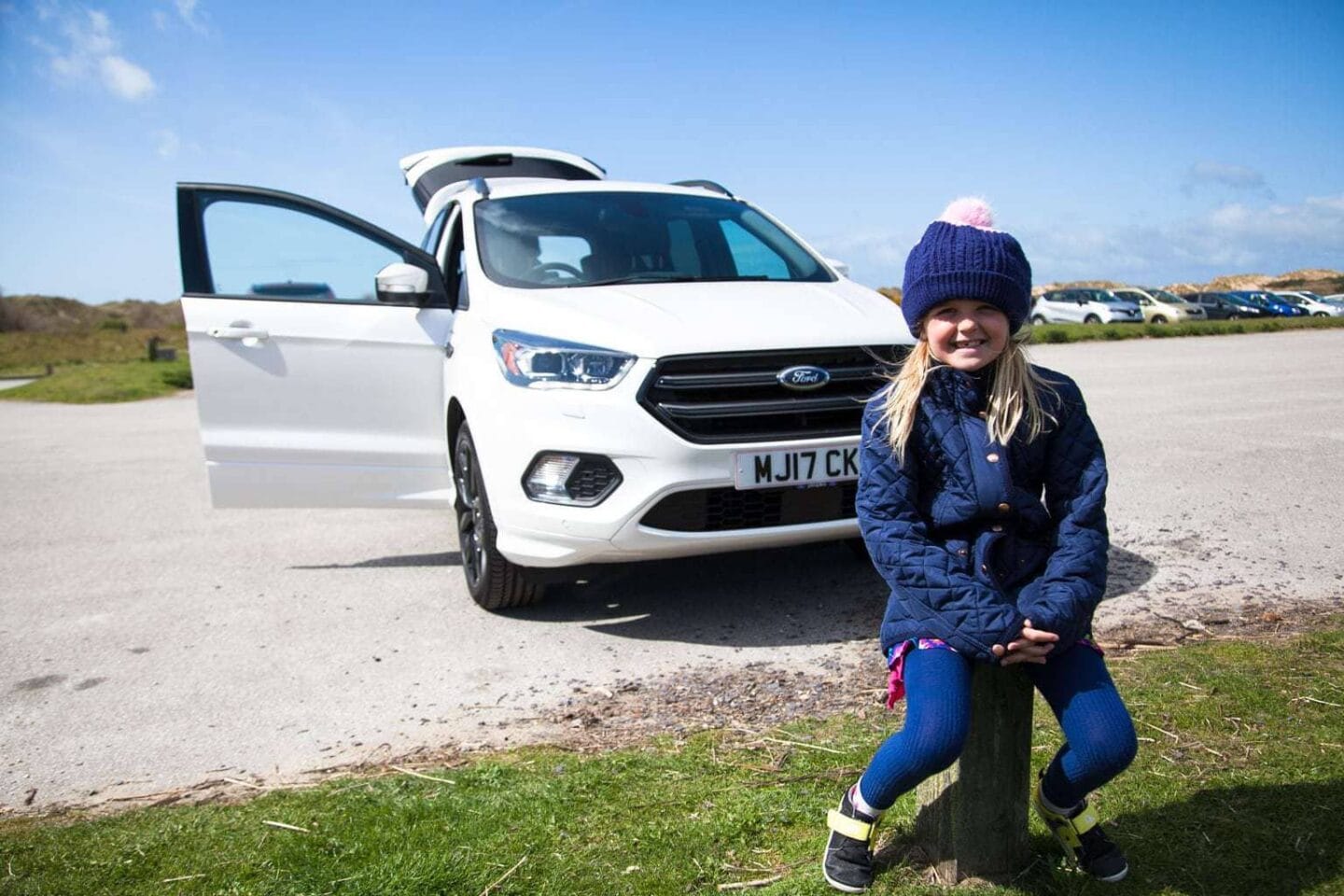
Planning a car journey with kids? Here’s what you need to know: secure them in the right car seat (it’s UK law until they’re 12 or 135cm tall), check your vehicle basics like tyres and wiper blades, and plan stops every two hours to keep everyone happy. Pack snacks, entertainment, and emergency supplies before setting off. Most importantly, ensure your tyres have at least 1.6mm tread depth and replace those wiper blades yearly for clear visibility – because seeing clearly and stopping safely matters even more when your precious cargo is on board.
Getting the basics right makes all the difference between a stressful trip and a smooth family adventure. Start with the car seats – they’re your child’s best protection, but only when installed correctly. Many parents don’t realise their seats aren’t fitted properly, which dramatically reduces their effectiveness. Beyond the seats, your vehicle needs attention too. According to automotive safety experts, wiper blades should be replaced annually to maintain visibility, whilst basic checks on tyres, brakes and fluid levels help prevent breakdowns that nobody wants with restless children aboard. Taking these steps before you even start the engine sets you up for a safer, calmer journey.
AD | We have been or could be if you click on a link in this post compensated via a cash payment, gift or something else of value for writing this post. As an Amazon Associate and Stay 22 we earn from qualifying purchases. See our full disclosure policy and privacy policy for more details.
Preparing your vehicle for family travel
Before setting off on any journey with children, a thorough vehicle inspection proves essential. Start by checking your tyres – they should have sufficient tread depth and proper inflation. According to onlinecarparts.co.uk the wiper blades should be replaced every 12 months to maintain clear visibility in challenging weather conditions, something particularly important when carrying precious cargo. Many families also use the tyres.co.uk website to buy replacement tyres before longer journeys, especially when preparing for changing weather conditions and heavier holiday travel loads
Clean windows inside and out improve visibility and reduce glare, while properly adjusted mirrors help monitor children in the back seats without turning around.
Family vehicles often carry more weight than usual during trips, affecting braking distances and tyre wear. As noted in their guidance: “Trailers and caravans have the same legal requirement for the tread depth as cars, which is at least 1.6 mm. In comparison to car tyres, however, the wheels of trailers and caravans usually have to hold more weight and are stationary for longer periods, leading to more stress. The general recommendation is to replace these tyres at least once every 5 to 7 years, even if the tread has not reached the minimum depth.” This principle applies equally to heavily loaded family vehicles during holiday trips.
Managing driver focus and child needs
This systematic approach ensures nothing gets overlooked during pre-journey preparations. The diagram shows how vehicle safety, child protection, and journey planning interconnect to create comprehensive travel safety. Each main branch represents a critical area requiring attention, with the vehicle inspection forming the mechanical foundation, child safety setup providing passenger protection, and journey planning addressing practical travel needs. Following this structured checklist helps parents cover all essential safety aspects before departure.
Maintaining concentration while driving with children presents unique challenges. Young passengers may become restless, hungry, or need attention at inconvenient moments. Planning regular stops every two hours allows children to stretch their legs and release energy while giving drivers essential breaks. These stops also provide opportunities to check on car seat positioning and comfort, as children often shift during travel, potentially compromising their safety position.
UK legal requirements for child car seats
| Age Group | Height/Weight Requirements | Seat Type Required | Legal Penalty for Non-Compliance |
| Birth to 15 months | Any height/weight | Rear-facing baby seat | £500 fine |
| 15 months to 4 years | Under 105cm | Forward or rear-facing child seat | £500 fine |
| 4 to 12 years | 105-135cm | Booster seat or cushion | £500 fine |
| Over 12 years | Over 135cm tall | Standard seat belt | £500 fine if under 135cm without booster |
Understanding these legal requirements proves crucial for every journey. The £500 fine for non-compliance reflects the serious nature of child passenger safety laws in the UK. Children must remain in appropriate seats until reaching either 12 years of age or 135cm in height – whichever milestone comes first. The transition from rear-facing to forward-facing seats at 15 months represents a minimum age, with many safety experts recommending keeping children rear-facing longer when possible. The 105cm height threshold for moving to booster seats ensures proper seat belt positioning across the chest and hips rather than the neck and stomach.
Creating a calm environment inside the vehicle helps maintain driver focus. Soft background music, rather than loud children’s songs, can keep young ones entertained without becoming distracting. Having a passenger handle snacks, drinks, and entertainment allows the driver to concentrate fully on the road. For solo parents driving with children, preparing easily accessible supplies before departure prevents dangerous reaching while driving.
Entertainment and comfort strategies
Keeping children occupied during journeys reduces driver distraction significantly. Travel-friendly activities like audiobooks, quiet toys, and tablet holders mounted to headrests provide entertainment without requiring driver intervention. Many families find success with creating “travel bags” containing surprises revealed at intervals throughout the journey, maintaining excitement without overwhelming stimulation.
Temperature control affects both comfort and safety, as uncomfortable children become restless and demanding. Setting the climate control before departure and using sunshades prevents disputes about temperature during travel.
Emergency preparedness and route planning
Smart route planning considers more than just distance and time. Identifying family-friendly stops, hospitals, and service stations along your route provides peace of mind and practical options when needs arise. Modern navigation apps offer real-time traffic updates, helping avoid stressful delays that can upset carefully planned schedules and young passengers’ routines.
Keeping an emergency kit specifically designed for travelling with children proves invaluable. Beyond standard items like first aid supplies and breakdown equipment, include spare clothes, nappies, wet wipes, and non-perishable snacks. Having these essentials readily available prevents unnecessary stops and maintains journey momentum.
Safe family travel combines thorough preparation, appropriate equipment, and mindful driving practices. By prioritising vehicle maintenance, proper child restraint systems, and journey planning, parents create secure environments for their most precious passengers while maintaining the focus necessary for safe driving.
Sources
- UK Government official guidelines on child car seats: gov.uk/child-car-seats-the-rules
- AUTODOC recommendations on tyre safety and maintenance
- UK Road Traffic Act regulations on child passenger safety
- Royal Society for the Prevention of Accidents (RoSPA) child car seat advice
Frequently Asked Questions
Q: What’s the most important safety check before driving with children?
A: The most critical safety check is ensuring proper car seat installation. Many parents unknowingly install seats incorrectly, significantly reducing their effectiveness. Have your installation checked at a local safety centre and verify that the seat matches your child’s current age, weight and height. Remember that UK law requires appropriate car seats until children are either 12 years old or 135cm tall.
Q: How often should I stop during long journeys with children?
A: Plan regular stops every two hours when travelling with children. These breaks allow young passengers to stretch, release energy, and use facilities while giving drivers essential rest. During stops, check car seat positioning as children often shift during travel, potentially compromising their safety position. These regular intervals help maintain both driver alertness and child comfort throughout the journey.
Q: Can my 11-year-old child sit in the front seat?
A: While UK law doesn’t prohibit children from sitting in the front seat, safety experts strongly recommend keeping children in the rear seats until at least 12 years old. If a child must sit in front, they need the appropriate car seat or booster if under 135cm tall, and the front airbag may need to be deactivated for rear-facing seats. The rear seats remain statistically safer for children due to their distance from impact zones.
Q: What vehicle maintenance is essential before family trips?
A: Essential maintenance includes checking tyres for the legal minimum 1.6mm tread depth, replacing wiper blades annually for clear visibility, verifying all fluid levels, and testing lights and indicators. Family vehicles often carry extra weight during trips, affecting braking distances and tyre wear. AUTODOC experts recommend replacing tyres every 5 to 7 years even if tread depth remains adequate, as rubber degrades over time.
Q: What should I include in a child-specific emergency kit?
A: Beyond standard breakdown equipment and first aid supplies, include spare clothes for each child, nappies if needed, wet wipes, non-perishable snacks, bottles of water, any regular medications, and a few familiar toys. Keep comfort items like blankets and travel pillows accessible. Having these essentials readily available prevents unnecessary stops and helps manage unexpected situations without compromising journey safety.
