
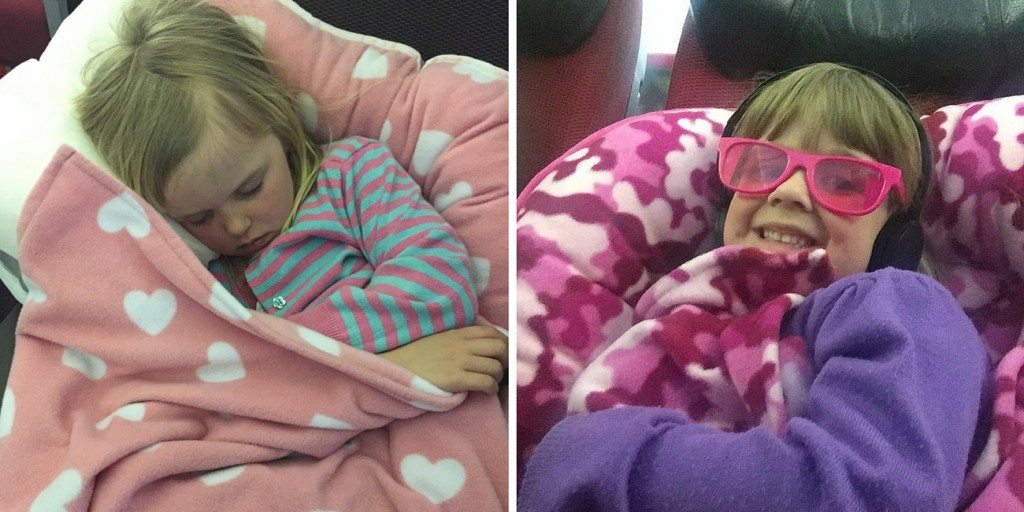
Travelling with young children turns sleep into the single thing that can make or break a trip. A well-rested toddler is a delight to travel with; an overtired, poorly slept one can unravel a whole day, and the parents along with it. Children are far more sensitive to sleep disruption than adults, and an unfamiliar bed in a strange place tests even the best little sleeper. Knowing how to protect their sleep on the road is what keeps a family holiday from becoming an endurance test.
Why Children Struggle to Sleep Away From Home
Children struggle to sleep away from home for much the same reasons adults do, only more so. They are creatures of routine, deeply reliant on the familiar cues that tell them it is time to sleep, and travel strips most of those cues away at once. A new room, new sounds, a different bed, and a disrupted schedule all land harder on a small child who cannot reason their way through the strangeness, and who has fewer ways to settle themselves when something feels off.
AD | We have been or could be if you click on a link in this post compensated via a cash payment, gift or something else of value for writing this post. As an Amazon Associate and Stay 22 we earn from qualifying purchases. See our full disclosure policy and privacy policy for more details.
Keep the Routine on the Road
The most powerful tool a parent has is the routine itself, carried intact onto the road. Whatever the bedtime sequence is at home, the bath, the story, the song, the same order of dimming lights and saying goodnight, keeping it identical away from home gives the child a thread of familiarity to hold onto. The surroundings may be strange, but if the ritual is the same, the body and mind still receive the clear message that sleep is coming, exactly as they do at home.
The Comfort of a Familiar Bed
Part of why children sleep so soundly at home is the consistency of their own bed, very often a supportive mattress for growing kids chosen for their developing body, firm and supportive in a way that suits them. Travel removes precisely that familiar, supportive surface, replacing it with a travel cot, a strange mattress, or a makeshift arrangement that feels nothing like home. Understanding that the bed itself is part of what a child misses helps parents see why the first nights away are so often the hardest, and why recreating some of that comfort matters.
Recreate the Sleep Environment
Recreating the sleep environment goes a long way towards bridging the gap. Children sleep best in a dark, cool, quiet room, and a strange holiday bedroom rarely offers all three by default. Packing a portable blackout blind or even just heavy material to cover a too-bright window, bringing a familiar white-noise source to mask unpredictable sounds, and keeping the room cool all help recreate the conditions the child knows. The closer the environment feels to their bedroom at home, the sooner they settle.
Bring the Comfort Objects
Comfort objects do disproportionate work for small children and should never be left behind. The particular teddy, the specific blanket, the well-worn sleep sack: these carry the scent and feel of home and reassure a child more than any amount of explaining. A familiar object in an unfamiliar bed tells the child, in the only language that matters to them, that this strange place is safe enough to sleep in. Forgetting it can derail an entire trip, so it belongs at the very top of the packing list.
Mind the Overtiredness Trap
Managing the day matters as much as managing the night, because overtiredness is the enemy of good sleep in children. A child kept up too long, dragged through too many activities, or denied their usual naps becomes wired rather than sleepy, and an overtired child fights sleep far harder than a calm one. Protecting nap times even on holiday, and resisting the temptation to cram every day full, keeps the child in the calm, regulated state from which sleep comes easily.
Time Zones and Little Ones
Time zones complicate things further, and small bodies adjust at their own pace. For longer journeys across several time zones, easing the child gradually towards the new schedule, using daylight to help reset their clock, and accepting a few rough nights while they adjust works better than expecting them to switch instantly. Morning light in particular is a powerful signal that helps a child’s body clock catch up, so getting them outside early in the new place speeds the adjustment along.
Safe Sleep on the Road
Safety has to come before comfort whenever a baby or very young child is sleeping somewhere new. For infants, the established safe-sleep guidance still applies on the road: a firm, flat surface, a snugly fitting mattress with no gaps, and a clear sleep space without loose bedding or padding. A travel cot should be checked for a proper, firm mattress that fits without leaving gaps, and the temptation to soften a hard travel surface with extra padding must be resisted for the youngest children.
Patience and Realistic Expectations
Patience and realistic expectations are the final, unglamorous part of the job. The first night or two in a new place will often be broken however well a parent prepares, simply because the child is adjusting, and treating that as expected rather than a disaster keeps everyone calmer. Consistency is what wins in the end: hold the routine, recreate the environment, bring the comforts, and most children settle within a couple of nights.
Helping young children sleep while travelling, then, is less about luck than about preparation and consistency. Carry the routine, recreate the dark, cool, quiet room, pack the comfort objects, protect the naps, respect the time difference, and keep the youngest safe with a proper sleep surface. Do that, and the family arrives at each day of the trip rested enough to enjoy it. Children can sleep well away from home; they simply need the adults around them to bring enough of home along.
